







Cuba Defends Right to ‘Legitimate Defense’ After U.S. Media Claim Military Drone Acquisition
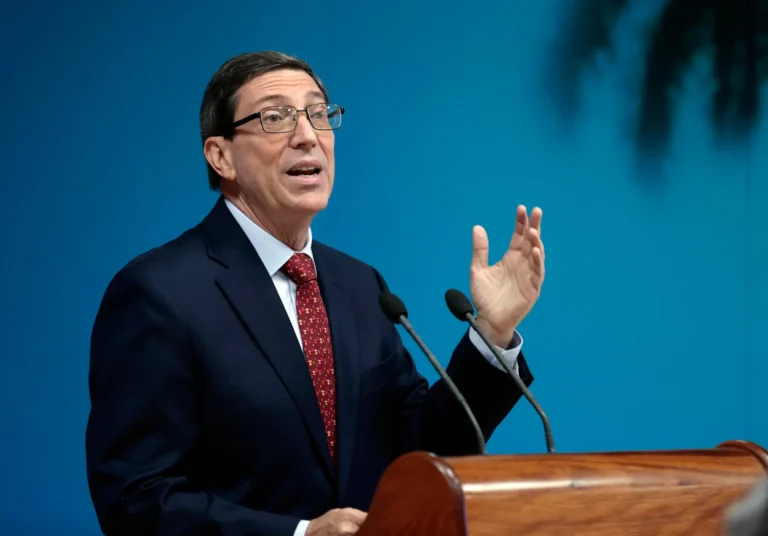
(FILE) Cuban FM Bruno Rodriguez. Photo: EFE.
May 18, 2026 Hour: 1:23 am
🔗 Comparte este artículo
The Cuban government reaffirmed its right to “legitimate defense” against external aggression this Sunday, following a report by U.S. news portal Axios according to which Havana had acquired more than 300 military drones.
“Without any legitimate excuse, the U.S. government builds, day after day, a fraudulent dossier to justify the ruthless economic war against the Cuban people and eventual military aggression,” Foreign Minister Bruno Rodríguez wrote on social media platform X. He added that “specific press outlets play along with Washington by promoting slanders and leaking insinuations from the U.S. government itself,” in an apparent reference to the Axios report, albeit he did not directly name it. “Cuba does not threaten nor desire war,” he stressed.
RELATED: Historic VaticanSupport for Cuba: First Mass for Peace and Development
Deputy Foreign Minister Carlos Fernández de Cossío also emphasized that Cuba, “like any country, has the right to defend itself against external aggression. That is called legitimate defense, and it is protected by International Law and the UN Charter.” He accused U.S. officials of not wasting “a minute in fabricating pretexts, creating and spreading falsehoods, and distorting as extraordinary the logical preparation to face possible aggression.”
The Axios report, citing a senior U.S. intelligence official, claimed that Washington is analyzing the threat of drones from Cuba that could be used against the U.S. naval base at Guantánamo Bay, U.S. military vessels, or Key West, Florida. The report also mentioned the alleged presence of Iranian military advisors in Havana. Such information could serve as a pretext for hypothetical U.S. military action on the island, according to the Cuban government.
The diplomatic row comes just days after an unusual high‑level meeting in Havana between CIA Director John Ratcliffe and Cuban intelligence officials.
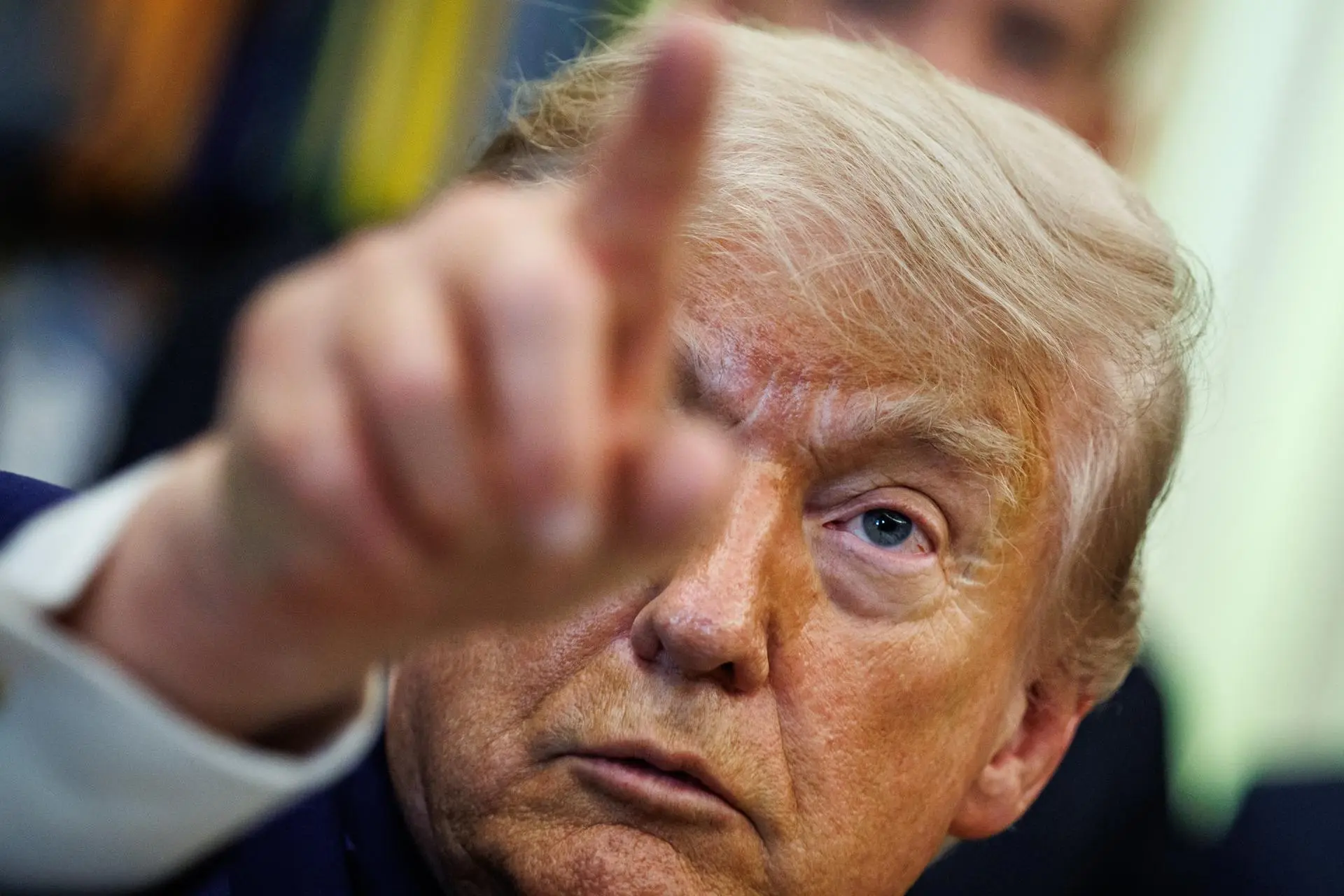
Bilateral relations are at their most tense in decades, with U.S. President Donald Trump vowing to pressure Cuba into siding with Washington. Since January, the U.S. has imposed a fuel blockade that has deepened Cuba’s energy crisis and issued a new executive order expanding decades of economic, financial, and commercial sanctions, including extraterritorial measures. Cuba has refused to implement the deep economic and political reforms Washington demands, arguing that such matters fall within national sovereignty and are non‑negotiable.
Author: Victor Miranda
Source: agencies